
The Footpath Warden
Short Story

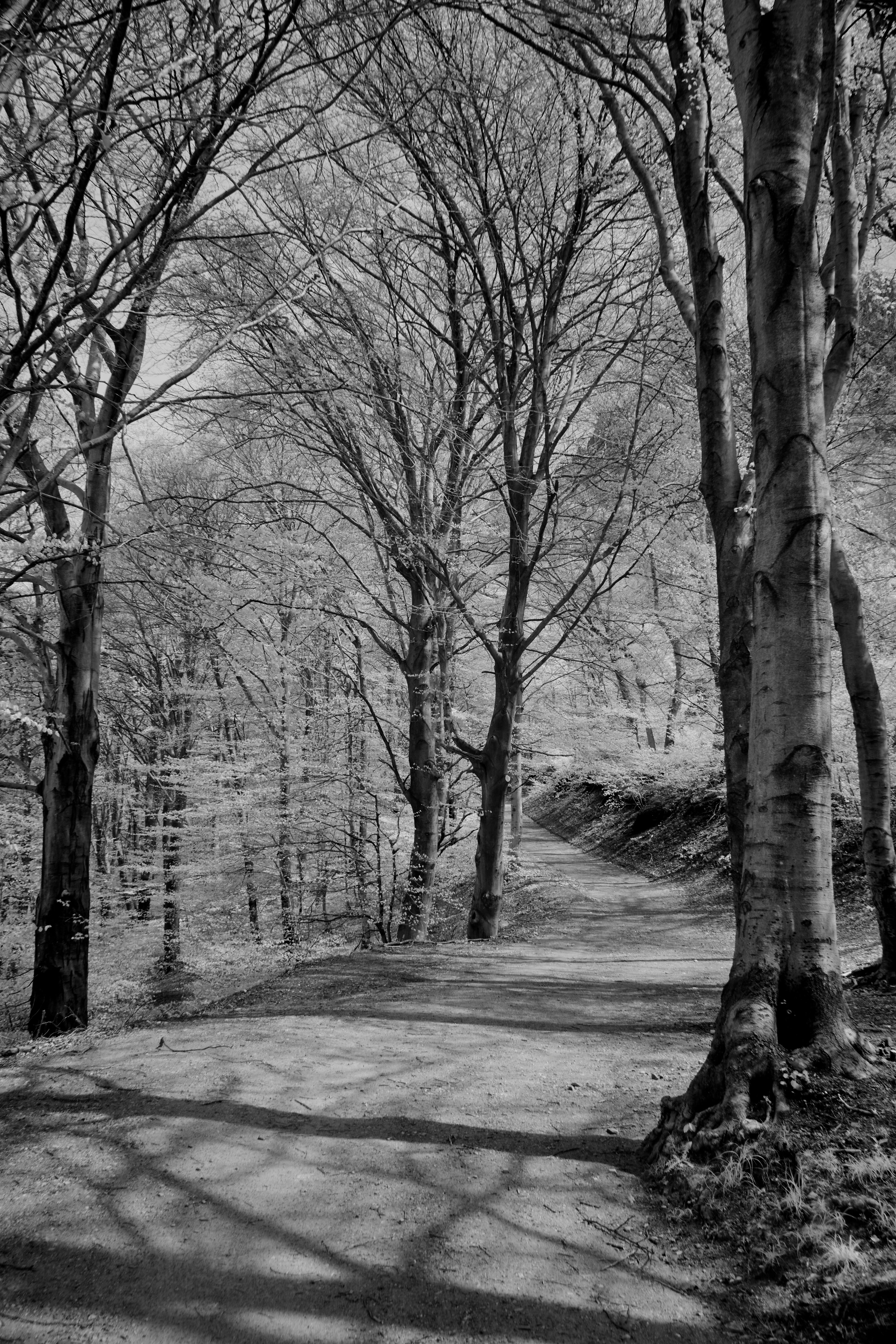
Helen walked the footpaths in the east of Sheffield, where the city thinned into green. She wore a high-visibility jacket, boots, and gloves. The paths were her responsibility. To keep them clear. To keep the city moving, walking, safe.
She was a volunteer. Parish council appointed. She walked her section twice a month, sometimes more. The training had been brief. One afternoon in a church hall. Tea and biscuits. A laminated sheet showing which hazards to report: blocked gates, broken stiles, overgrown vegetation, damaged bridges. They’d given her a log book, a hi-vis vest, and secateurs. They’d told her not to confront landowners or occupiers. If challenged, withdraw. Report.
They’d also mentioned StreetLink. The national rough sleeper database. An app on her phone. Simple to use. You see someone sleeping rough, you log the location, the council outreach team responds. Offers help. Connects people with services.
Helen had downloaded it. Never opened it.
She found him first on a narrow trail behind the allotments near Abbey Lane. A lean man, crouched low against a bank of brambles, a small fire burning in a metal can. Smoke curved up and disappeared into the leafless trees. The smell was acrid—burnt plastic mixed with wood. He looked up at her. Nothing more. His face was weathered, creased around the eyes. His hands were black with soot.
Helen stopped. She adjusted the straps on her backpack. Her clipboard pressed against her ribs.
She walked on. Her pace didn’t change. Checked her notes. Mapped a sizeable fallen branch. Marked a flooded patch. Her boots crunched on frozen mud. Behind her, the smoke continued to rise.
That evening, she returned home to chaos. The house smelled of burnt toast and teenage sweat. Her eldest, Jake, was sprawled across the sofa, thumbs flying over his phone. The twins were arguing in the kitchen, voices overlapping, something about whose turn it was to load the dishwasher. The television blared. A sports match. Shouting.
‘Mum’s back,’ someone called. No one looked up.
She hung her jacket in the hallway. Unlaced her boots. The noise folded around her, familiar and dense. Her husband appeared from the kitchen, tea towel scrunched in the front of his apron. Her apron. The one covered in pictures of cats.
‘How were the paths?’ he asked.
‘Muddy.’
He nodded, already turning back. ‘Be ready soon.’
She climbed the stairs to shower. The hot water ran over her shoulders. She closed her eyes. In the silence of the spray, she could still see the man by the fire. The way he’d looked up. Not pleading. Not accusing. Just looking.
The next morning, she returned to the path. The man was gone. Only the can remained, cold now, a grey smear of ash inside. A flattened patch in the undergrowth where he’d sat. She did not move the can. She did not report it. She noted the location in her log: Minor debris, Abbey Lane section.
Days later, she found a boy. He had tucked himself beneath the arch of a hawthorn, its branches bare but dense enough to shelter. Thin coat, knees to chest. Eyes wide and unblinking, watching Helen approach. The boy’s breath misted in the cold air. His lips were pale. One trainer had a hole in the toe.
Helen passed him slowly, a metre or two away. Did not look directly. Her hand tightened around the clipboard. The boy did not stir. Did not speak. The only sound was Helen’s boots on the path and the distant hum of traffic from the main road.
Helen adjusted the path signs. Cleared the mud from the drainage grate. Made a note in her log: Hawthorn arch—minor erosion, monitor. Nothing else. Her phone sat heavy in her pocket. She did not take it out.
At midday, she walked the same section again. Part of her route. Official. The sun was pale, struggling through cloud. The river beyond the path hissed over stones. The boy had left. No trace but a flattened patch in the leaves. The bramble had been pressed down where he’d crawled out.
Helen’s boots sank into soft ground. She kept walking. Checked the footbridge. Pulled twigs from the drainage channels. Noted a loose handrail. She knew people lived at the margins. She knew the paths carried their presence. She kept her own.
Three weeks later, near the bridge at Bolehill, she found a tent. Small, orange, half-collapsed. It was tucked into a dense thicket of elder and holly, barely visible from the path. The zipper was open. Inside, she could see a sleeping bag, a carrier bag bulging with clothes, a pair of children’s shoes.
Children’s shoes.
Helen stood at the edge of the thicket. She could hear the river. The wind in the branches. Her own breathing.
She checked her watch. She had another mile to cover. A stile to inspect further up. The report was due Friday.
She turned away. Walked on. Her hand went to her phone, fingers brushing the case. She could open the app. Type the location. Two minutes. Less.
She kept walking.
That night, at home, the twins argued over the remote. Jake needed money for a school trip. Her husband asked if she’d seen the keys for the shed door. The dog barked at something in the garden. The kitchen was warm, bright, full of voices that expected answers.
She sat at the table with her log book. Filled in the sections methodically. Blocked drainage: cleared. Signage: faded, needs replacing. Footbridge handrail: loose, report to council. She turned the page. Wrote the date. Wrote the location.
Then stopped. She closed the book.
Her husband looked over. ‘All done?’
‘Aye.’
At dusk the next day, she walked her section again. The paths fell quiet. The trees leaned in. The city was behind her. Everything else moved ahead, or stayed still, or disappeared into the green.
The tent was gone. The ground was disturbed, pressed flat. A few tent pegs remained, half-buried. A sweet wrapper caught in the brambles.
Helen picked up the wrapper. Put it in her bag. She did not tell anyone. She did not report. She did not intervene. It was not her job. Not exactly.
And yet she marked it all. Every step. Every flattened leaf. Every cigarette butt. Every movement through the green. Every time she didn’t reach for her phone.
She locked the shed. Hung her jacket. The mud dried slowly on her boots. Tomorrow the twins had a match. Jake needed driving somewhere. Her husband would cook. The house would be warm and loud and full. And the green waited for the next footsteps.